Energy storage ensures that energy generated at one time can be saved and used later. This is particularly important for energy sources such as wind and solar that are intermittent (e.g., solar production is highest when the sun is shining, which is not always the time when energy demand is greatest). Storage solves this timing mismatch by retaining energy until it is needed. Energy storage can also make the electric grid more stable, helping to prevent blackouts or other disruptions.
At the Washington State University Energy Program, we work on projects that help enhance energy storage options in Washington and beyond.
Our Energy Storage Work
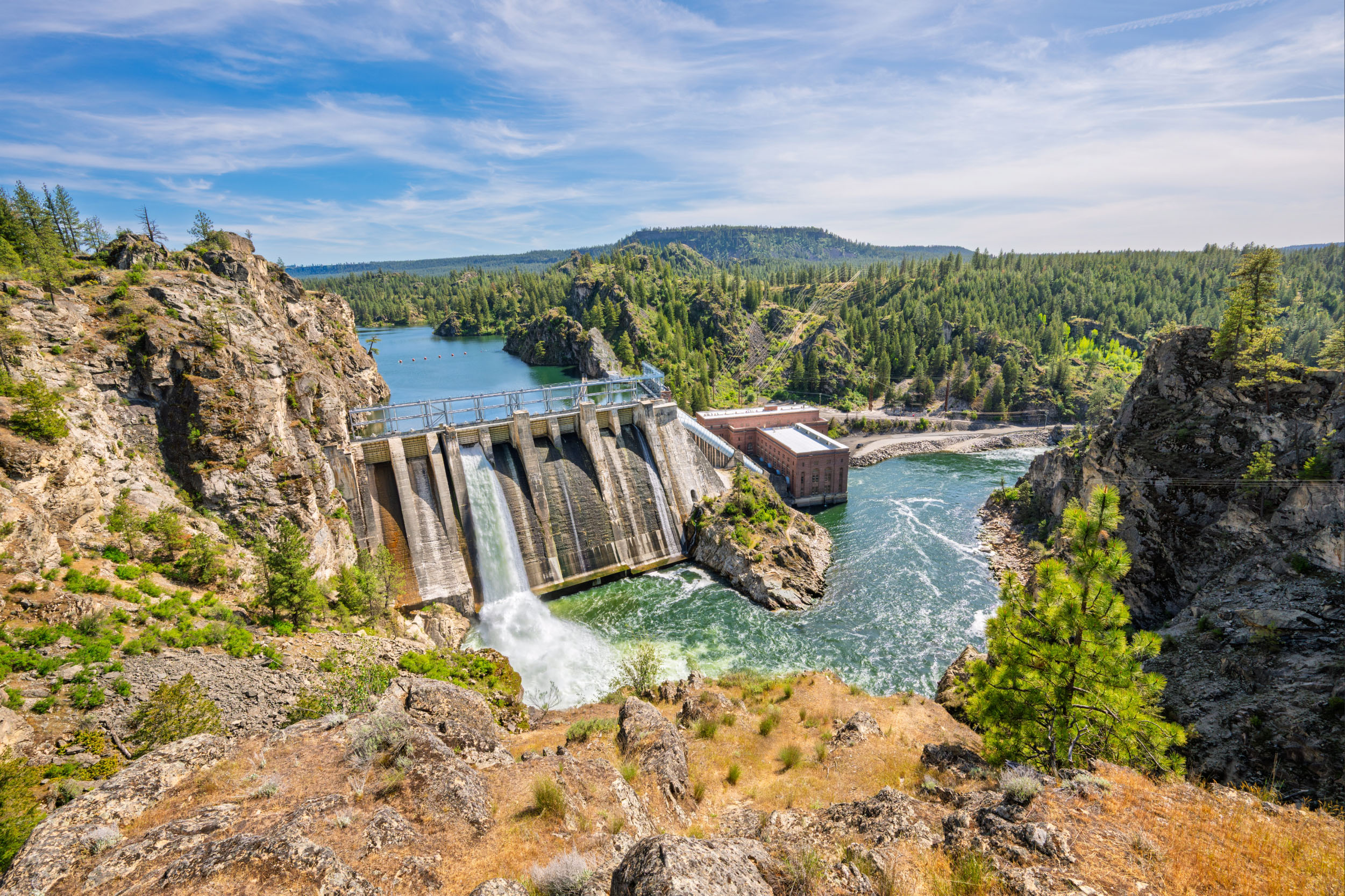
Pumped Storage Hydropower Siting Study
The WSU Energy Program co-led a study to gather perspectives on pumped storage hydropower and potential questions relating to siting. The research engaged Tribes, agencies, local governments, special-purpose districts, and others across Washington.