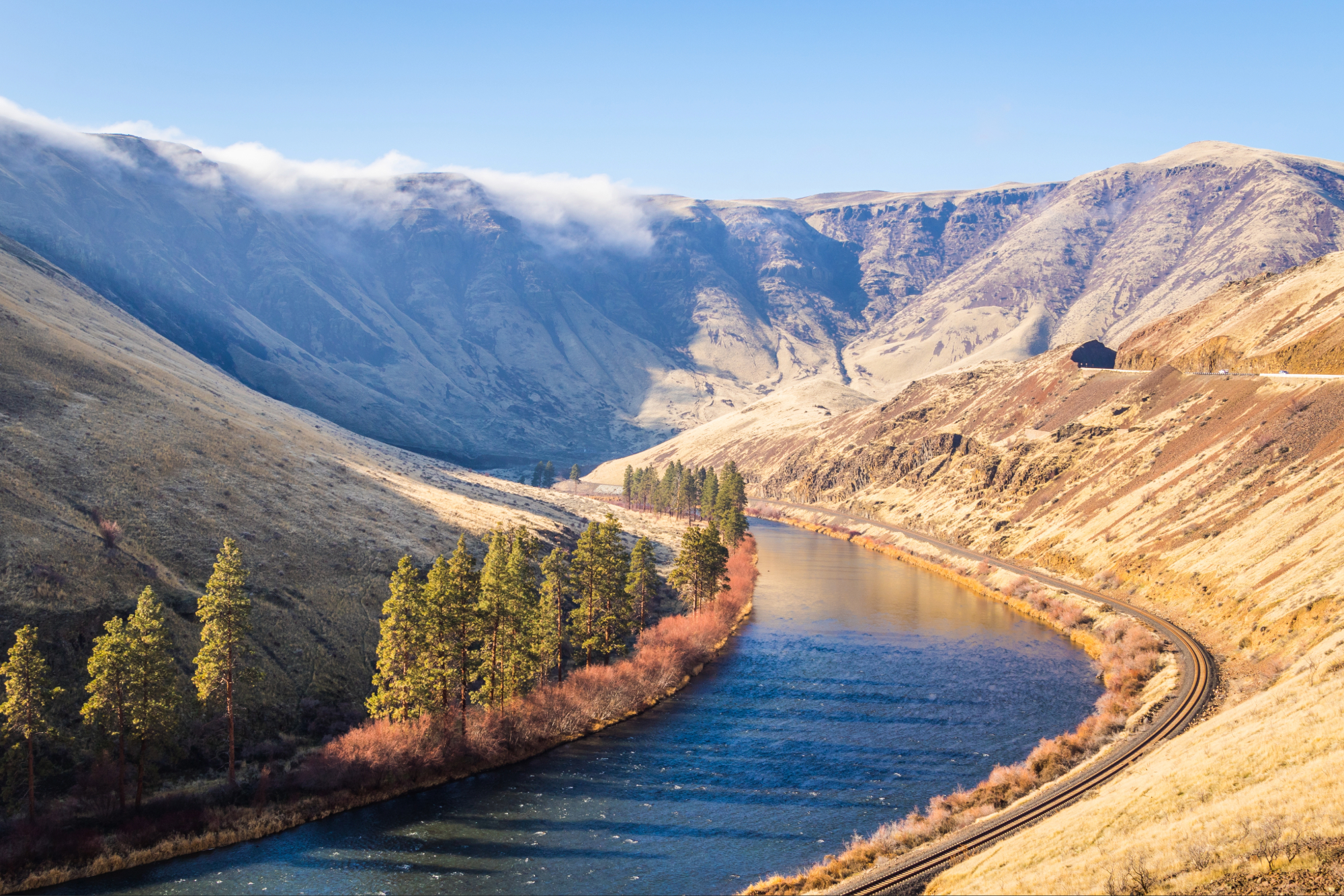
Tribal Green Transportation Project
Goals of the Project
The Green Transportation Program’s Tribal Green Transportation Project (Tribal GTP) aims to reduce pollution by expanding the use of ZEVs and charging equipment in Tribal communities and by working to decarbonize transportation. This project is driven by the priorities and goals of Tribal communities to move from fossil-fueled vehicles to ZEVs. The Green Transportation Program has and will continue to support these efforts.
The Tribal GTP works to:
- Eliminate barriers to Tribal access to ZEVs: Identify concerns, needs, and opportunities through community-directed engagement.
- Generate greater awareness of ZEVs: Provide information at popular Tribal-sponsored events.
- Build ZEV technical capacity: Support creation of community-directed ZEV transition plans and provide technical assistance and workforce training.
- Support long-term pollution reduction by ZEV market expansion: Expand charging infrastructure and incentivize consumer adoption through sustainable practices and partnerships.
Our Work
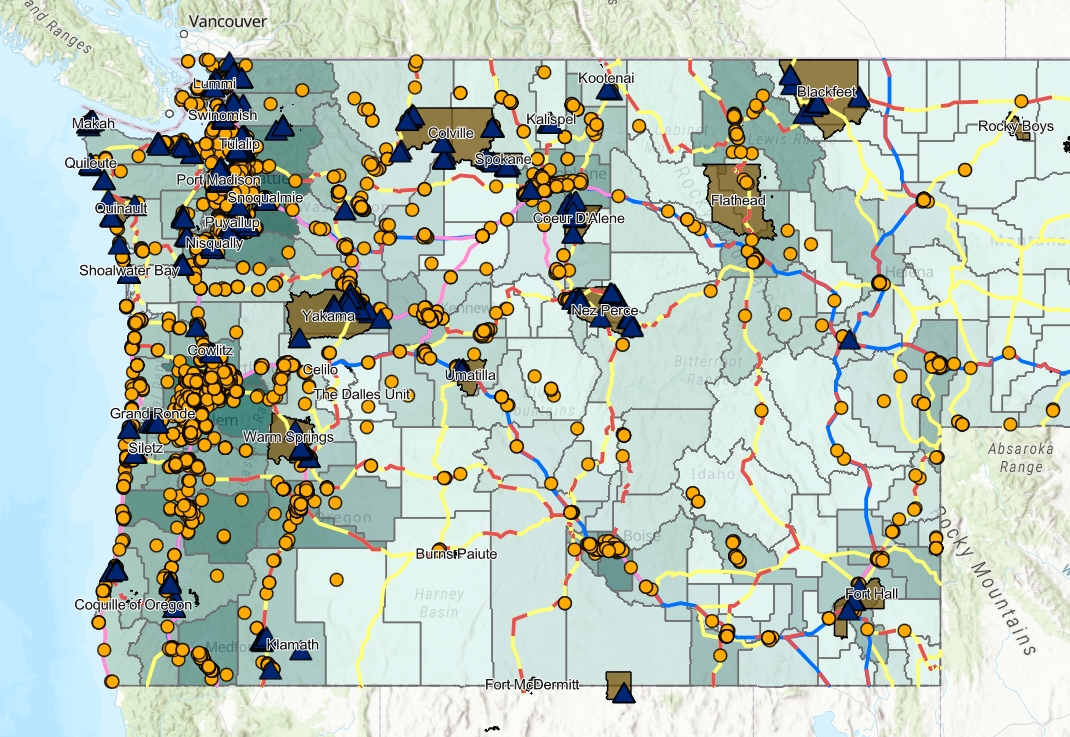
The Northwest Tribal EV Mapping Tool
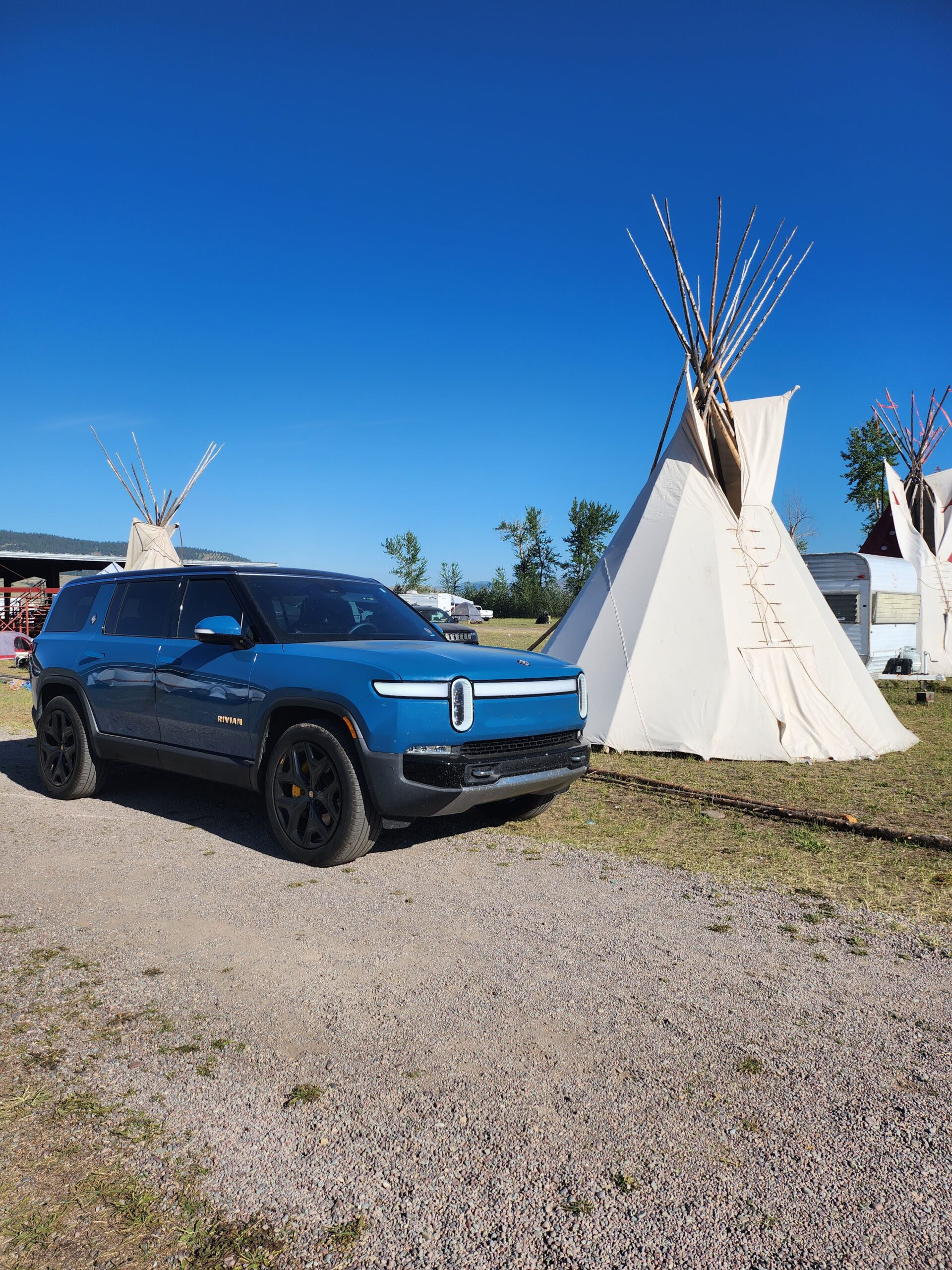
Tribal Transportation Electrification Planning
Why the Tribal GTP?
West Coast states lead the nation in zero-emission vehicle (ZEV) sales, infrastructure deployment, and policies that support both. However, the transition to ZEVs remains concentrated around urban centers, leaving rural residents—who face higher per-capita transportation costs and longer driving distances—at risk of missing out on current electrification efforts. This risk is intensified for Native people, whose lands are often located in rural areas. For Tribal communities, the intersection of geographic isolation and existing social and economic hardships creates a high barrier to ZEV adoption and infrastructure access. Despite these challenges, many Tribes in Washington and throughout the Northwest are leading the way in green transportation by investing in EV fleets and building extensive EV charging infrastructure. The Tribal GTP supports Tribes in transportation electrification planning and more.
Resources
- Case Study: Warms Springs to Madras Shuttle Service (PDF) – The Warm Springs reservation shuttle bus provides transportation for tribal members around Warm Springs, Oregon, and travels to the city of Madras. This case study advocates for the replacement of the fossil-fueled shuttle bus with an electric vehicle to eliminate an estimated 4.6 metric tons of annual carbon emissions.
Contact Us
For more information, or for help with Tribal electrification planning, contact bryan.strom@wsu.edu or ep.greentransportation@wsu.edu.